A Year in Berlin: My European Solidarity Corps Experience
By Athina Tilikidou
When I applied for the European Solidarity Corps, I knew that moving from Greece to Berlin for a year would be a challenge. What I did not know was exactly what kind of challenge it would be—or how much my understanding of the experience would change along the way. PRAXIS my sending organisation, support me a lot on this.
In September 2025, I moved to Berlin to begin my ESC at Sachsenwald Grundschule, where I would spend the year supporting children and educators in their everyday activities. Before coming to Germany, I had studied Philosophy and Education in Greece and already had experience working with children. When I applied, I was particularly interested in experiencing a different educational environment, contributing through creative and recreational activities, and becoming part of a multicultural community. I arrived with enthusiasm and quite a few expectations. Some of them became reality, while others changed completely during the year.
Finding my place
The beginning was probably the most challenging part of my ESC. I was adapting to a new country, a new home, a different educational system, a new workplace and, of course, a new language -all at the same time.
During my first weeks at the school, I struggled to understand exactly what my role as a volunteer was supposed to be. The language barrier also made communication with my colleagues more difficult, and there were moments when I did not feel fully integrated into the team. Eventually, with support from ijgd and through more open communication with my colleagues, I started asking the questions I needed to ask and gained a clearer understanding of my role. Looking back, this became one of the most important lessons of my year.
Interestingly, when I reflected on my goals at the very beginning of the project, I had identified communication as one of the main things I wanted to work on. At the time, I was thinking about improving my German and English, communicating across different perspectives and learning to deal constructively with unfamiliar situations. I could not have known then how central communication would actually become to my ESC experience. I learned that asking questions when something is unclear is important. I learned to express when I am uncertain and to reach out for support rather than trying to deal with everything on my own. Most importantly, I learned that communicating openly does not mean being difficult. Sometimes, it is precisely how you show that you care and want to contribute.
Learning from the children
As I became more comfortable at school, I also began to understand my role differently.
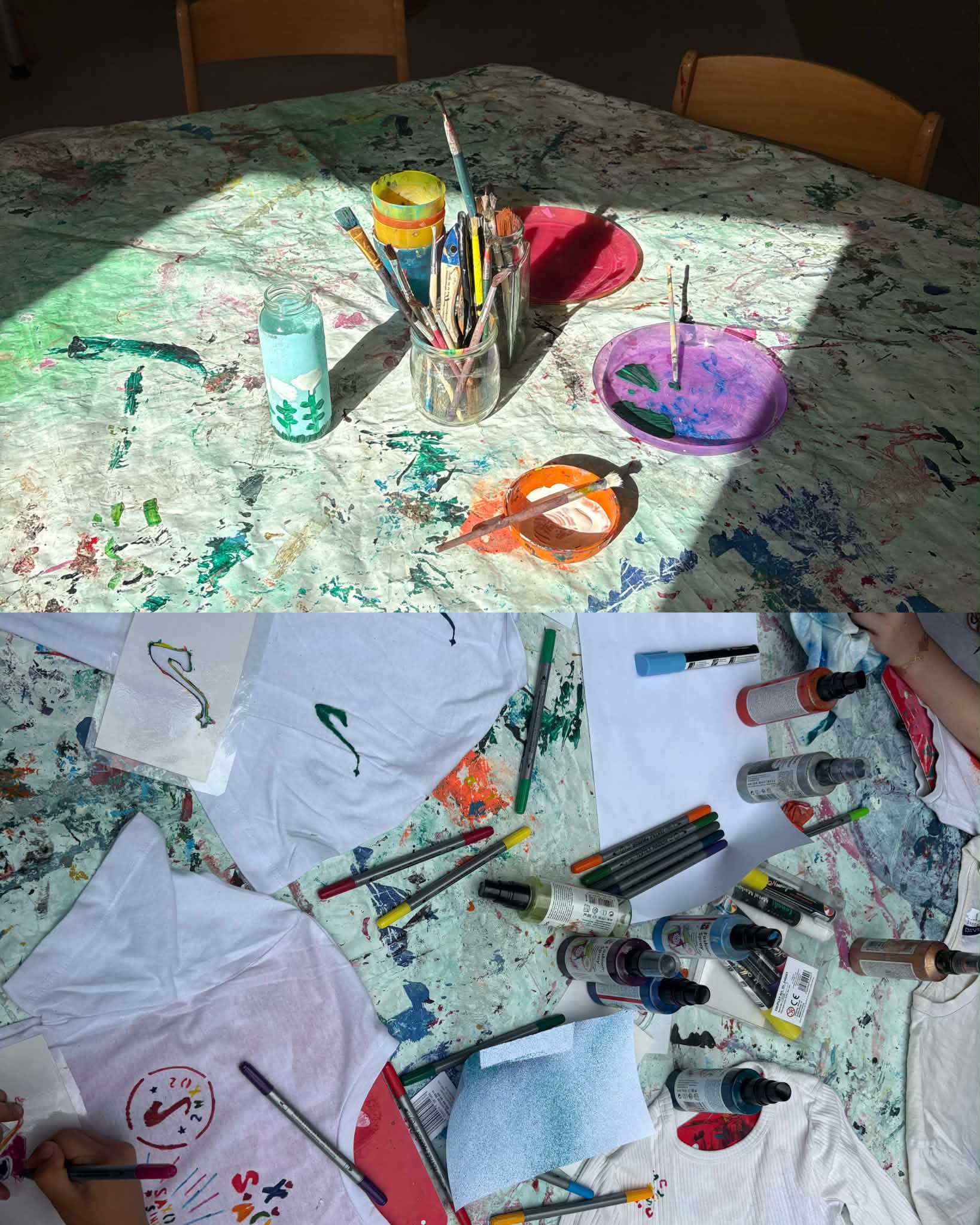
Before starting my ESC, because of my previous experience working with children, I expected to have more formal responsibility. Instead, I discovered a different way of supporting them. I did not always need to organize something or be the person in charge. Sometimes my role was simply to be there: to listen, help when I was asked, participate in an activity or create an environment in which a child felt comfortable approaching me. Over time, I started bringing more of my own interests into the project as well. I organized small activities, did creative projects and even brought one of my favourite hobbies—baking—into the school.
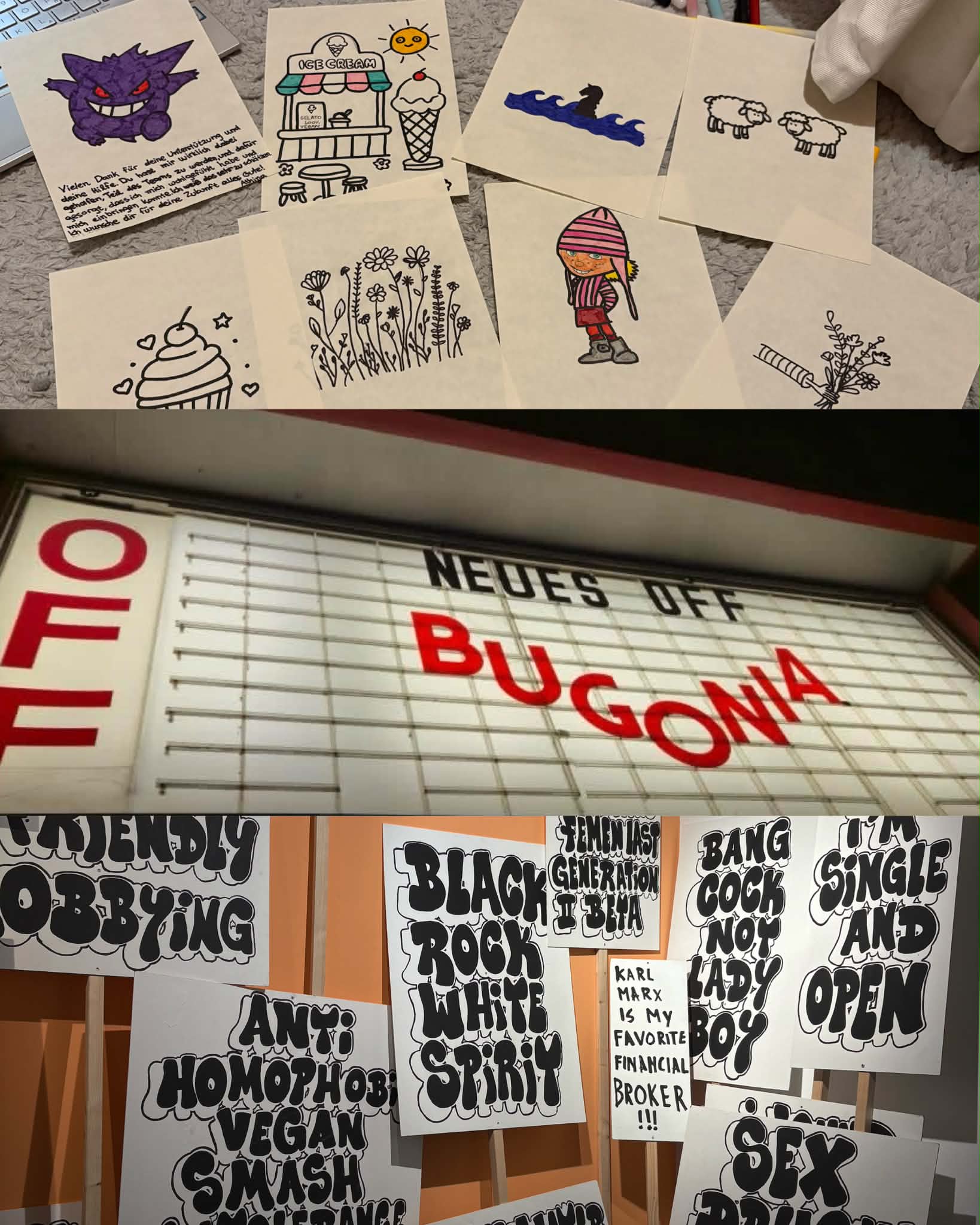
Still, when I think about the children, the moments I value most are usually much smaller. A drawing given to me as a gift. A child choosing to sit with me or asking for my help. Seeing them excited about an activity I had prepared. Hearing them talk about me enthusiastically to another educator. Especially during more difficult periods, those moments reminded me why I was there. By the end of the year, I had learned that working with children is also about patience and consistency. Trust does not necessarily appear immediately. Sometimes you simply have to be present and allow children to come to you in their own time.
Building a life in Berlin
Of course, an ESC year is much more than the hours spent at your hosting project.
One of the most important parts of my experience was living in a shared flat with other volunteers. Before moving to Berlin, I did not know exactly what living with people I had never met before would be like. It ended up becoming one of my favourite parts of the year.
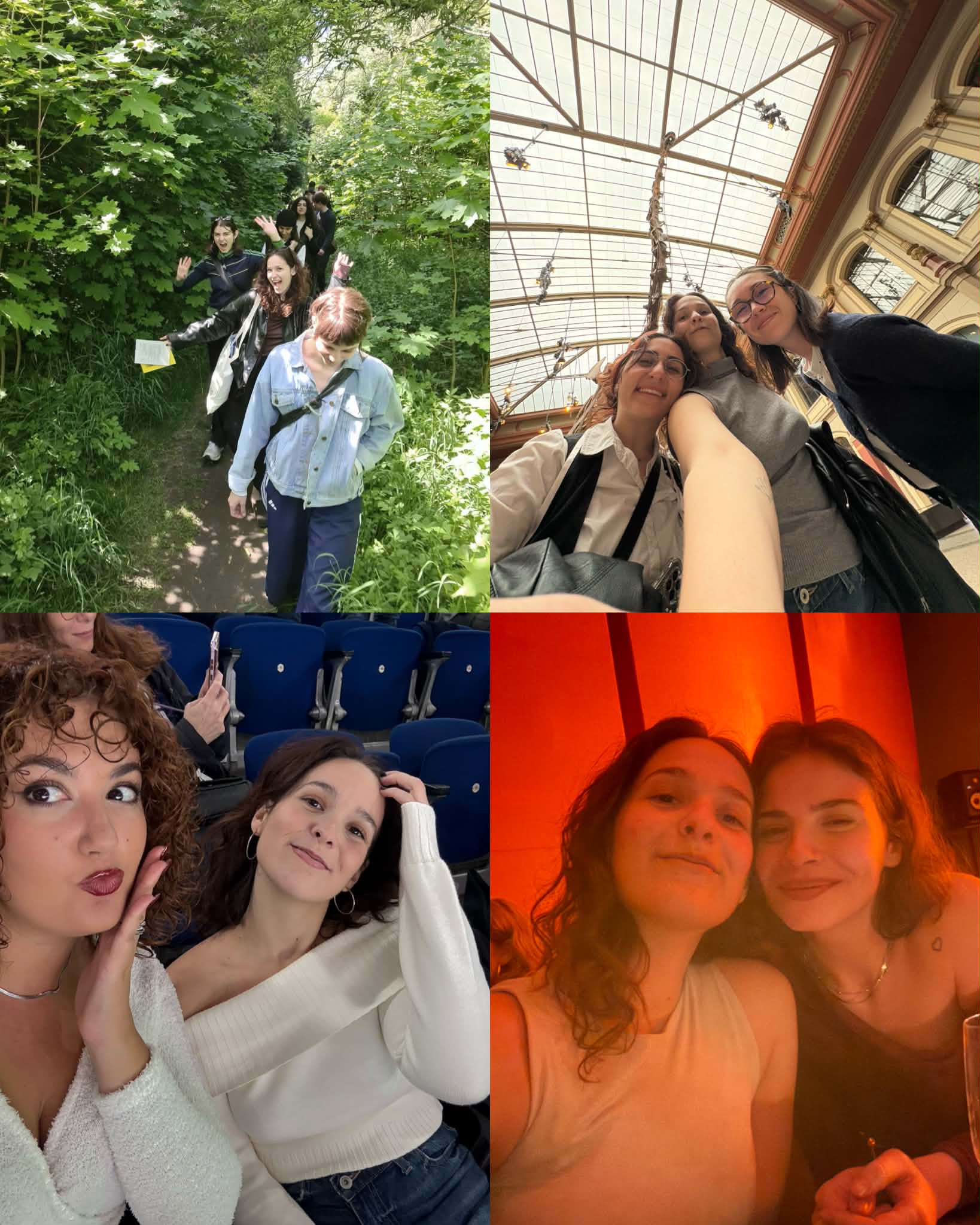
Sharing everyday life taught me a lot about vulnerability, boundaries, mutual respect and communication. Our flat became a place for both completely ordinary moments and much deeper ones: inside jokes, conversations in the kitchen, difficult days, baking, supporting each other and simply knowing that there was usually someone around when you needed company.
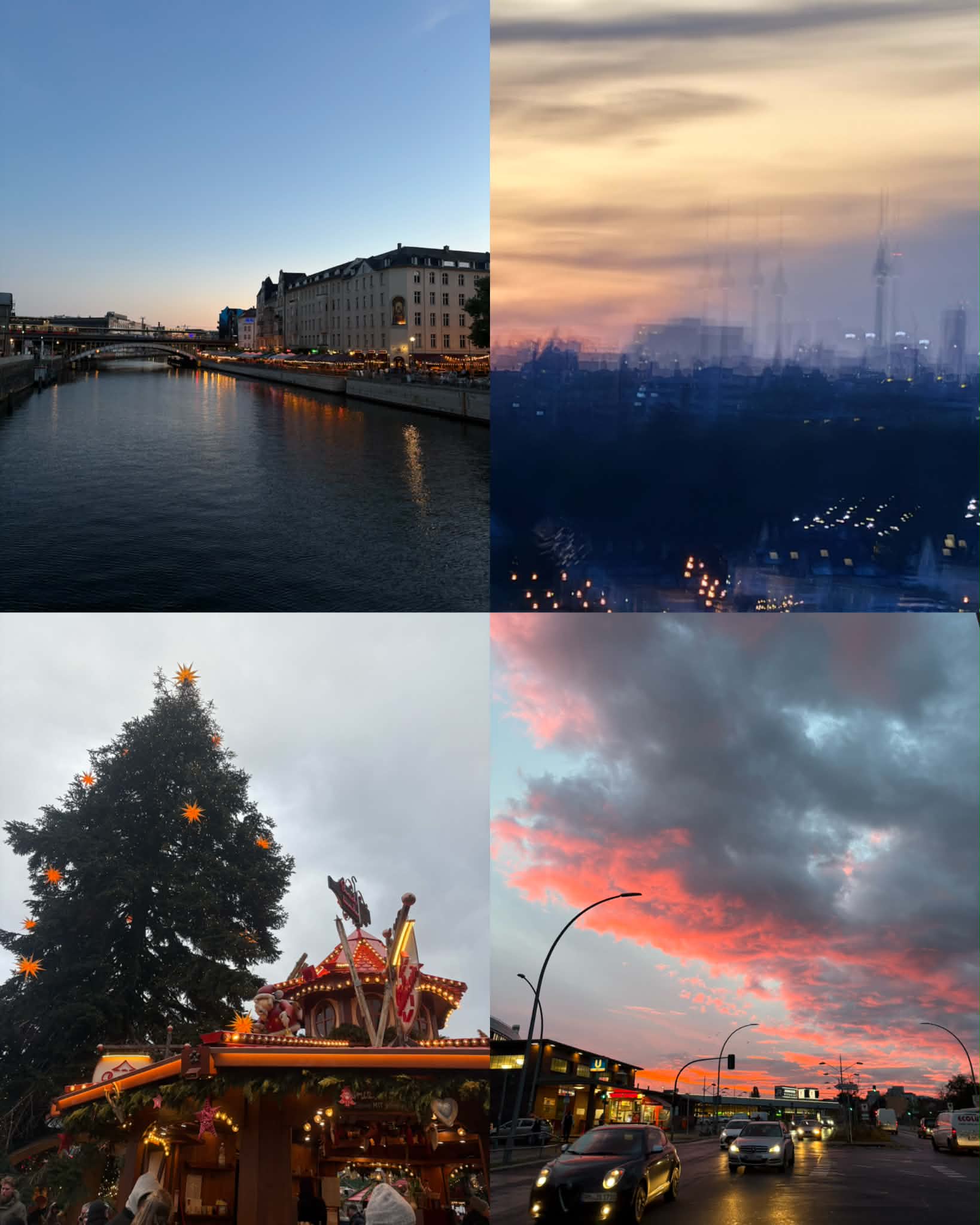
At the same time, I slowly built my own relationship with Berlin.
During the colder months, going to the cinema became one of my favourite routines. I explored creative hobbies such as embroidery and collage-making, continued baking, met people from different countries and gradually discovered different parts of the city.
None of these things sound particularly extraordinary on their own. But I think that is exactly how a foreign city eventually starts feeling like home. It happens through small routines: knowing which train to take without checking your phone, having your favourite cinema, recognizing your neighbourhood, knowing where to meet your friends and slowly realizing that you are no longer just visiting.
The people behind the experience
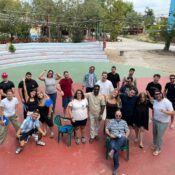
Another important part of my ESC was meeting other volunteers and having spaces where we could exchange experiences.
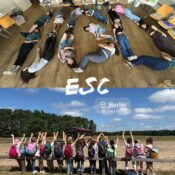
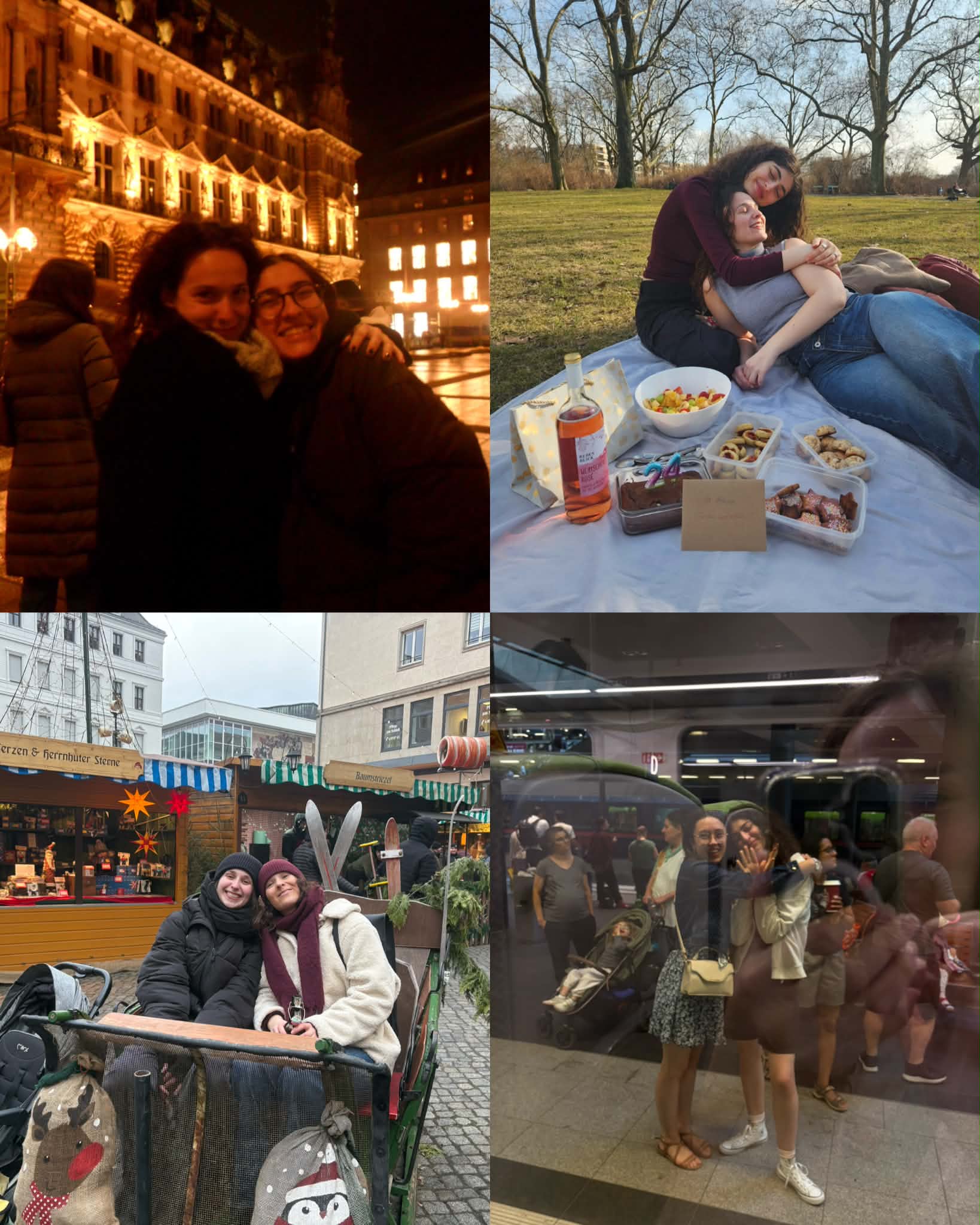
The seminars organized throughout the year gave me the opportunity to meet volunteers from different projects and cities, hear about experiences very different from my own and reflect on what was happening in my own project. My first seminar in Hamburg was particularly important because it showed me early on that many volunteers were going through their own versions of adaptation, uncertainty and learning. It also marked the beginning of a friendship that became very important to me throughout the year.
The support around the project mattered just as much. There were periods during the year when I felt overwhelmed and questioned how I wanted to continue. Having people I could talk to -whether from ijgd, my sending organisation PRAXIS, my friends or the people I lived with—made an important difference. One of the things I learned is that independence does not mean having to manage everything alone.
Looking back
If I had to describe my ESC year only as an “amazing experience,” it would not really be accurate.
It was much more complicated than that.
There were exciting moments, new friendships and experiences I will always remember, but there were also periods of homesickness, uncertainty, frustration and feeling overwhelmed. At times, adapting took much longer than I expected. But perhaps that is also why the experience became so meaningful.
By the end of the year, I had learned a lot about working with children and about the German educational system, but I had also learned about myself: how I respond to change, when I need to ask for help, where my boundaries are, and how much time it can take to feel comfortable somewhere new.
When I wrote my final ESC report, I described the year as a year of transition. I still think that is the best way to put it. Berlin became the place where I slowly learned how to build a life in a completely unfamiliar environment. The experience made me more independent, but it also taught me the importance of allowing other people to support me.
If I think about what I will remember ten years from now, I doubt it will be one particular seminar, activity or day at school. I think I will remember the people: my flatmates and friends, the other volunteers, the educators I worked with and, especially, the children. I will remember drawings and small gifts, conversations, inside jokes, afternoons at the cinema, baking in our shared kitchen and slowly learning my way around Berlin.
I started the year hoping to bring my own experience, ideas and skills into a new environment. I left realizing how much that environment had given back to me.
My ESC year was not always easy, and I would not want to rewrite it as if it were. But it was important. It challenged me, surprised me and helped me grow in ways I could not have predicted when I first sent my application from Greece.
And for that, I am very grateful to PRAXIS, ijgd, Sachsenwald Grundschule, and all the people who became part of my year in Berlin.
Ένας χρόνος στο Βερολίνο:
Η εμπειρία μου στο Ευρωπαϊκό Σώμα Αλληλεγγύης
Όταν υπέβαλα αίτηση για το Ευρωπαϊκό Σώμα Αλληλεγγύης (ESC), γνώριζα ότι η μετακόμιση από την Ελλάδα στο Βερολίνο για έναν χρόνο θα αποτελούσε πρόκληση. Αυτό που δεν ήξερα ήταν ακριβώς τι είδους πρόκληση θα ήταν — ή πόσο θα άλλαζε η αντίληψή μου για την εμπειρία στην πορεία. Η PRAXIS, ο οργανισμός αποστολής μου, με στήριξε πολύ σε αυτό.
Τον Σεπτέμβριο του 2025, μετακόμισα στο Βερολίνο για να ξεκινήσω το πρόγραμμα ESC στο δημοτικό σχολείο Sachsenwald (Sachsenwald Grundschule), όπου θα περνούσα τη χρονιά υποστηρίζοντας παιδιά και εκπαιδευτικούς στις καθημερινές τους δραστηριότητες. Πριν έρθω στη Γερμανία, είχα σπουδάσει Φιλοσοφία και Παιδαγωγικά στην Ελλάδα και διέθετα ήδη εμπειρία στην εργασία με παιδιά. Όταν υπέβαλα την αίτηση, με ενδιέφερε ιδιαίτερα να γνωρίσω ένα διαφορετικό εκπαιδευτικό περιβάλλον, να προσφέρω μέσα από δημιουργικές και ψυχαγωγικές δραστηριότητες και να γίνω μέλος μιας πολυπολιτισμικής κοινότητας. Έφτασα εκεί με ενθουσιασμό και αρκετές προσδοκίες. Κάποιες από αυτές έγιναν πραγματικότητα, ενώ άλλες άλλαξαν εντελώς κατά τη διάρκεια της χρονιάς.
Βρίσκοντας τη θέση μου
Η αρχή ήταν ίσως το πιο δύσκολο κομμάτι του προγράμματος ESC. Έπρεπε να προσαρμοστώ σε μια νέα χώρα, ένα νέο σπίτι, ένα διαφορετικό εκπαιδευτικό σύστημα, έναν νέο χώρο εργασίας και, φυσικά, μια νέα γλώσσα — όλα ταυτόχρονα.
Τις πρώτες εβδομάδες στο σχολείο, δυσκολευόμουν να κατανοήσω ποιος ακριβώς έπρεπε να είναι ο ρόλος μου ως εθελοντή. Το γλωσσικό εμπόδιο δυσκόλευε επίσης την επικοινωνία με τους συναδέλφους μου και υπήρξαν στιγμές που δεν ένιωθα πλήρως ενταγμένος στην ομάδα. Τελικά, με την υποστήριξη της οργάνωσης ijgd και μέσα από πιο ανοιχτή επικοινωνία με τους συναδέλφους μου, άρχισα να θέτω τα ερωτήματα που έπρεπε και απέκτησα μια πιο ξεκάθαρη εικόνα του ρόλου μου. Κοιτάζοντας πίσω, αυτό αποδείχθηκε ένα από τα σημαντικότερα μαθήματα της χρονιάς.
Είναι ενδιαφέρον ότι, όταν αναλογίστηκα τους στόχους μου στην αρχή του προγράμματος, είχα εντοπίσει την επικοινωνία ως έναν από τους βασικούς τομείς στους οποίους ήθελα να εργαστώ. Τότε, σκεφτόμουν τη βελτίωση των γερμανικών και των αγγλικών μου, την επικοινωνία με ανθρώπους που έχουν διαφορετικές οπτικές και την εκμάθηση εποικοδομητικής διαχείρισης άγνωστων καταστάσεων. Δεν θα μπορούσα να γνωρίζω τότε πόσο κεντρικό ρόλο θα έπαιζε τελικά η επικοινωνία στην εμπειρία μου στο ESC. Έμαθα ότι είναι σημαντικό να κάνεις ερωτήσεις όταν κάτι δεν είναι σαφές. Έμαθα να εκφράζω την αβεβαιότητά μου και να ζητώ υποστήριξη, αντί να προσπαθώ να τα διαχειριστώ όλα μόνη μου. Το σημαντικότερο είναι ότι έμαθα πως η ανοιχτή επικοινωνία δεν σημαίνει ότι γίνεσαι δύσκολος χαρακτήρας. Μερικές φορές, είναι ακριβώς ο τρόπος να δείξεις ότι νοιάζεσαι και θέλεις να συνεισφέρεις.
Μαθαίνοντας από τα παιδιά
Καθώς ένιωθα πιο άνετα στο σχολείο, άρχισα επίσης να αντιλαμβάνομαι τον ρόλο μου διαφορετικά.
Πριν ξεκινήσω το πρόγραμμα ESC, λόγω της προηγούμενης εμπειρίας μου στην εργασία με παιδιά, περίμενα ότι θα είχα πιο επίσημες αρμοδιότητες. Αντ’ αυτού, ανακάλυψα έναν διαφορετικό τρόπο να τα υποστηρίζω. Δεν χρειαζόταν πάντα να οργανώνω κάτι ή να είμαι το άτομο που έχει την ευθύνη. Μερικές φορές, ο ρόλος μου ήταν απλώς να είμαι εκεί: να ακούω, να βοηθώ όταν μου το ζητούσαν, να συμμετέχω σε μια δραστηριότητα ή να δημιουργώ ένα περιβάλλον όπου το παιδί θα ένιωθε άνετα να με πλησιάσει. Με την πάροδο του χρόνου, άρχισα να εντάσσω στο έργο και τα δικά μου ενδιαφέροντα. Οργάνωσα μικρές δραστηριότητες, υλοποίησα δημιουργικά πρότζεκτ, ακόμα και έφερα στο σχολείο ένα από τα αγαπημένα μου χόμπι: τη ζαχαροπλαστική.
Ωστόσο, όταν σκέφτομαι τα παιδιά, οι στιγμές που εκτιμώ περισσότερο είναι συνήθως πολύ πιο απλές. Μια ζωγραφιά που μου χάρισαν. Ένα παιδί που επέλεξε να καθίσει μαζί μου ή ζήτησε τη βοήθειά μου. Το να τα βλέπω ενθουσιασμένα με μια δραστηριότητα που είχα προετοιμάσει. Το να τα ακούω να μιλούν για μένα με ενθουσιασμό σε κάποιον άλλον εκπαιδευτικό. Ειδικά στις πιο δύσκολες περιόδους, αυτές οι στιγμές μού θύμιζαν τον λόγο για τον οποίο βρισκόμουν εκεί. Μέχρι το τέλος της χρονιάς, είχα μάθει ότι η εργασία με παιδιά απαιτεί επίσης υπομονή και συνέπεια. Η εμπιστοσύνη δεν χτίζεται απαραίτητα αμέσως. Μερικές φορές, αρκεί απλώς να είσαι παρών και να αφήνεις τα παιδιά να σε πλησιάσουν με τον δικό τους ρυθμό.
Χτίζοντας μια ζωή στο Βερολίνο
Φυσικά, μια χρονιά στο πρόγραμμα ESC είναι κάτι πολύ περισσότερο από τις ώρες που περνάς στον φορέα φιλοξενίας σου.
Ένα από τα σημαντικότερα κομμάτια της εμπειρίας μου ήταν η συγκατοίκηση με άλλους εθελοντές. Πριν μετακομίσω στο Βερολίνο, δεν ήξερα ακριβώς πώς θα ήταν να ζεις με ανθρώπους που δεν είχες γνωρίσει ποτέ πριν. Τελικά, αποδείχθηκε ένα από τα αγαπημένα μου στοιχεία της χρονιάς.
Η κοινή καθημερινή ζωή μού δίδαξε πολλά για την ευαλωτότητα, τα όρια, τον αμοιβαίο σεβασμό και την επικοινωνία. Το διαμέρισμά μας έγινε χώρος τόσο για εντελώς καθημερινές στιγμές όσο και για άλλες, πολύ πιο βαθιές: εσωτερικά αστεία, συζητήσεις στην κουζίνα, δύσκολες μέρες, ζαχαροπλαστική, αλληλοϋποστήριξη και την απλή γνώση ότι, συνήθως, υπήρχε κάποιος εκεί όταν χρειαζόσουν παρέα.
Παράλληλα, έχτιζα σιγά-σιγά τη δική μου σχέση με το Βερολίνο.
Τους πιο κρύους μήνες, οι επισκέψεις στον κινηματογράφο έγιναν μία από τις αγαπημένες μου συνήθειες. Ασχολήθηκα με δημιουργικά χόμπι, όπως το κέντημα και το κολάζ, συνέχισα να φτιάχνω γλυκά, γνώρισα ανθρώπους από διάφορες χώρες και σταδιακά ανακάλυψα διαφορετικές γωνιές της πόλης.
Κανένα από αυτά τα πράγματα δεν ακούγεται ιδιαίτερα ασυνήθιστο από μόνο του. Πιστεύω όμως ότι ακριβώς έτσι μια ξένη πόλη αρχίζει τελικά να μοιάζει με σπίτι. Συμβαίνει μέσα από μικρές, καθημερινές συνήθειες: να ξέρεις ποιο τρένο να πάρεις χωρίς να κοιτάζεις το κινητό σου, να έχεις το στέκι σου στον κινηματογράφο, να αναγνωρίζεις τη γειτονιά σου, να ξέρεις πού να συναντήσεις τους φίλους σου και να συνειδητοποιείς σιγά-σιγά ότι δεν είσαι πια απλώς επισκέπτης.
Οι άνθρωποι πίσω από την εμπειρία
Ένα άλλο σημαντικό κομμάτι του προγράμματος ESC ήταν η γνωριμία με άλλους εθελοντές και η ύπαρξη χώρων όπου μπορούσαμε να ανταλλάξουμε εμπειρίες.
Τα σεμινάρια που διοργανώνονταν καθ’ όλη τη διάρκεια της χρονιάς μού έδωσαν την ευκαιρία να γνωρίσω εθελοντές από διαφορετικά προγράμματα και πόλεις, να ακούσω για εμπειρίες πολύ διαφορετικές από τις δικές μου και να αναλογιστώ τι συνέβαινε στο δικό μου πρόγραμμα. Το πρώτο μου σεμινάριο στο Αμβούργο ήταν ιδιαίτερα σημαντικό, καθώς μου έδειξε από νωρίς ότι πολλοί εθελοντές βίωναν τις δικές τους φάσεις προσαρμογής, αβεβαιότητας και μάθησης. Σηματοδότησε επίσης την αρχή μιας φιλίας που αποδείχθηκε πολύ σημαντική για μένα καθ’ όλη τη διάρκεια της χρονιάς.
Εξίσου σημαντική ήταν και η υποστήριξη γύρω από το πρόγραμμα. Υπήρξαν περίοδοι μέσα στη χρονιά που ένιωθα να πιέζομαι και αναρωτιόμουν πώς ήθελα να συνεχίσω. Το να έχω ανθρώπους με τους οποίους μπορούσα να μιλήσω —είτε από την ijgd, είτε από τον οργανισμό αποστολής μου (PRAXIS), είτε φίλους και συγκατοίκους— έπαιξε καθοριστικό ρόλο. Ένα από τα πράγματα που έμαθα είναι ότι η ανεξαρτησία δεν σημαίνει πως πρέπει να τα διαχειρίζεσαι όλα μόνος σου.